Birthstone jewellery · Burnside, Adelaide
Birthstones by month, and which ones suit everyday wear
The stone for each month, its hardness on the Mohs scale, and whether it is suitable for a ring worn daily. Every piece is made in our Burnside workshop, around a stone you select yourself.
Last reviewed 22 October 2026 by Richard Moser, Gemmologist. Hardness figures follow the GIA gem encyclopedia.
Go to a month
Reference table
All twelve months, with hardness
Several months have more than one recognised stone. The first column is the primary birthstone; the second lists the accepted alternatives. Hardness is measured on the Mohs scale — below 7, a stone worn daily will show surface wear within a few years.
| Month | Birthstone | Alternatives | Mohs | Suitable for a daily ring |
|---|---|---|---|---|
| January | Garnet | — | 6.5–7.5 | With a protective setting |
| February | Amethyst | — | 7 | With a protective setting |
| March | Aquamarine | Bloodstone | 7.5–8 | Yes |
| April | Diamond | Morganite, white sapphire | 10 | Yes |
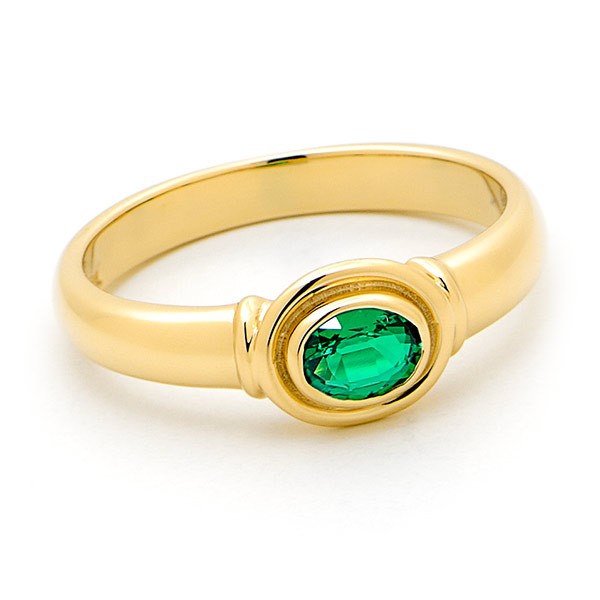
| May | Emerald | Green tsavorite | 7.5–8 | Bezel setting only |
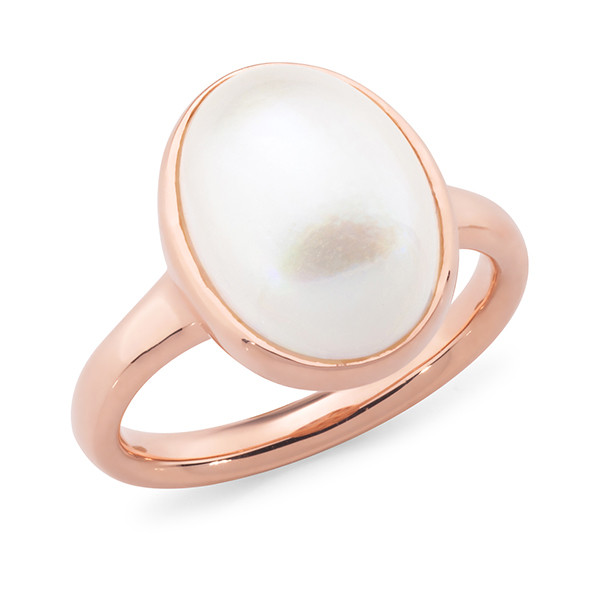
| June | Pearl | Moonstone, alexandrite | 2.5–4.5 | No — pendant or earrings |
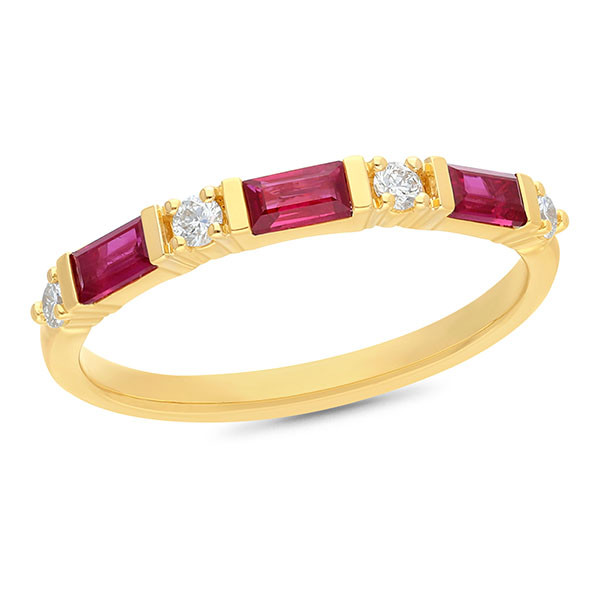
| July | Ruby | — | 9 | Yes |
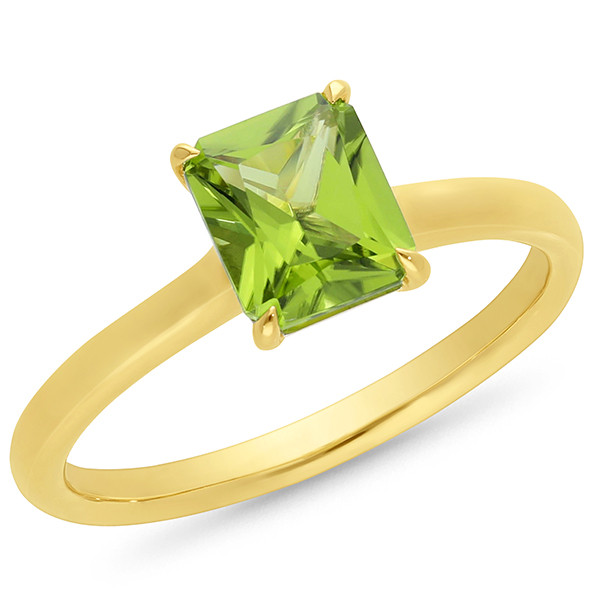
| August | Peridot | Spinel, sardonyx | 6.5–7 | Spinel yes, peridot with care |
| September | Blue sapphire | Sapphire, any colour | 9 | Yes |
| October | Opal | Tourmaline | 5.5–6.5 | No — tourmaline instead |
| November | Citrine | Topaz | 7 | With a protective setting |
| December | Blue topaz | Tanzanite, turquoise, zircon | 8 | Topaz yes, tanzanite with care |
Month by month
Each stone, and what to know before buying
What determines price within each stone, and the practical limits on how it can be set and worn.
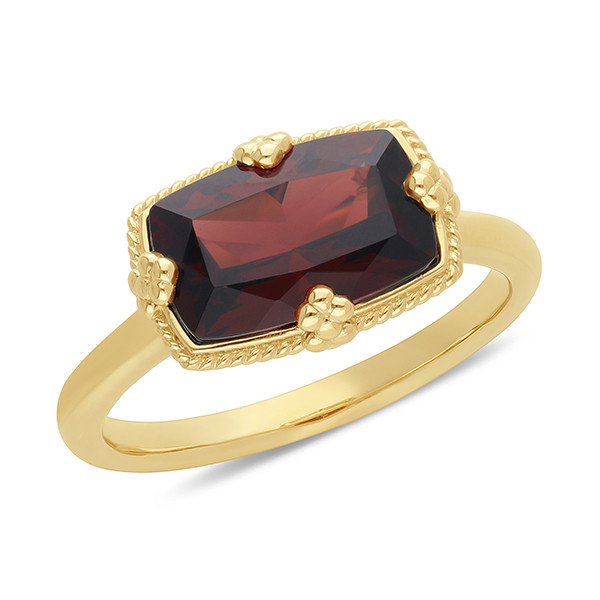
January
Garnet
Usually deep red, though the garnet family also includes orange spessartite and green tsavorite. Good colour is available at moderate cost, which makes garnet practical in larger sizes where other red stones are not.
Wearing it: Mohs 6.5–7.5. Suitable for pendants and earrings. For a ring worn daily, specify a bezel or a low-profile setting. Second anniversary.
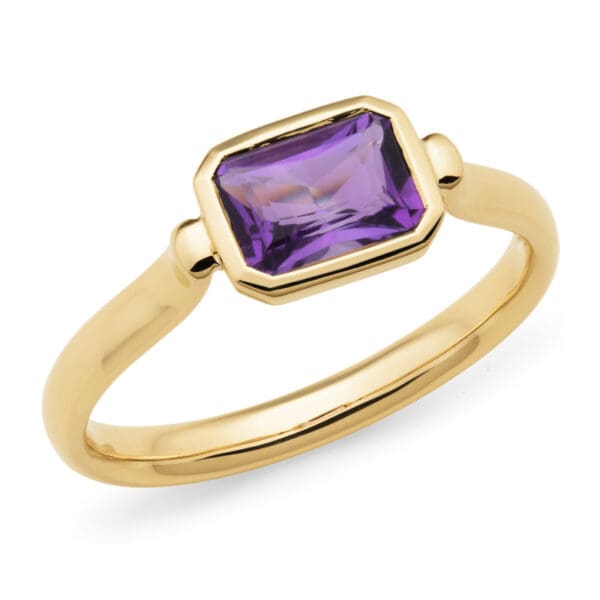
February
Amethyst
Purple quartz. Colour is the main price factor: better stones hold an even, deep purple across the whole stone, while cheaper material lightens towards the edges. Large sizes remain affordable, so a substantial piece is realistic at a moderate budget.
Wearing it: Mohs 7. Prolonged sunlight fades the colour over time. Sixth anniversary.
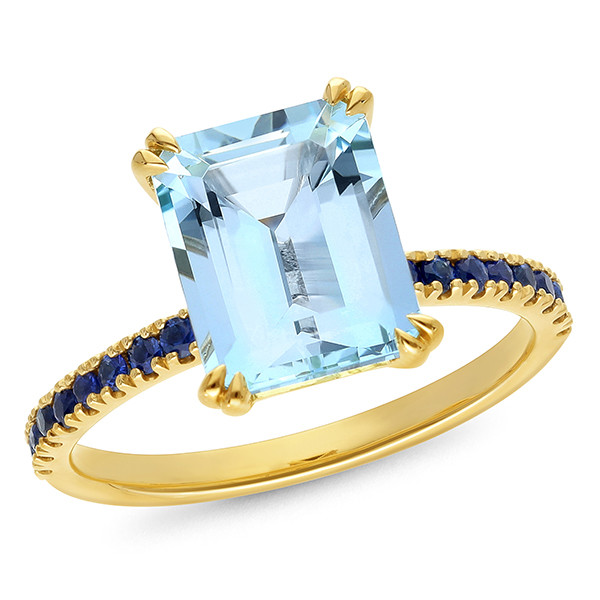
March
Aquamarine
A pale blue beryl, typically very clean with few visible inclusions. Colour strengthens with size, so a 2ct stone reads noticeably bluer than a 0.5ct stone of the same quality — worth knowing when setting a budget.
Wearing it: Mohs 7.5–8. Suitable for daily wear. Nineteenth anniversary.
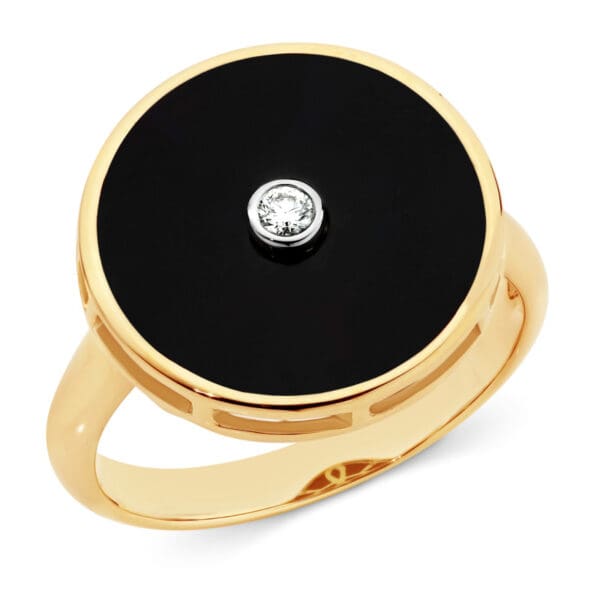
April
Diamond
Diamond is the April birthstone, both modern and traditional. It is the hardest material used in jewellery and the only birthstone that needs no particular care. Our sister workshop sets natural and lab-grown stones; a lab-grown diamond of equivalent grade costs significantly less, which generally buys a larger stone or a better cut.
Wearing it: Mohs 10. Nothing encountered in normal wear will mark it. Tenth and sixtieth anniversary.
If you would rather have colour: morganite and white sapphire are commonly offered as April alternatives. Both are good stones; neither is the birthstone.
May
Emerald
Inclusions are normal in emerald and expected by the trade, which calls them the jardin. A stone with none is either exceptional or not an emerald. Colour carries more of the price than clarity does, so judge it on colour first.
Wearing it: Mohs 7.5–8, but inclusions make it brittle. Bezel setting recommended; no ultrasonic cleaning; remove it for manual work. Twentieth and fifty-fifth anniversary.
June
Pearl
The only birthstone grown rather than mined. Price follows lustre — the depth and sharpness of the reflection — rather than size. The difference between a good pearl and a cheap one is clear when the two are compared directly.
Wearing it: Mohs 2.5–4.5, the softest stone on this page. Suitable for pendants and earrings rather than a ring worn daily. Apply perfume and hairspray before putting pearls on, not after. Thirtieth anniversary.
July
Ruby
Red corundum — the same mineral as sapphire, and the same hardness. Fine ruby is among the most expensive stones by carat, but most of the difference between commercial and fine material is colour, and a medium red at a sensible price performs well once set.
Wearing it: Mohs 9. Along with sapphire, the most durable coloured stone available. Fortieth anniversary.
August
Peridot, or spinel
Peridot is a yellow-green that holds its colour under electric light, where emerald tends to flatten. Spinel is August’s second stone and the better choice for a ring: harder, available in red, pink and grey, and still priced below comparable stones.
Wearing it: Peridot Mohs 6.5–7, spinel 8. For a piece worn daily we would recommend spinel. Sixteenth anniversary.
September
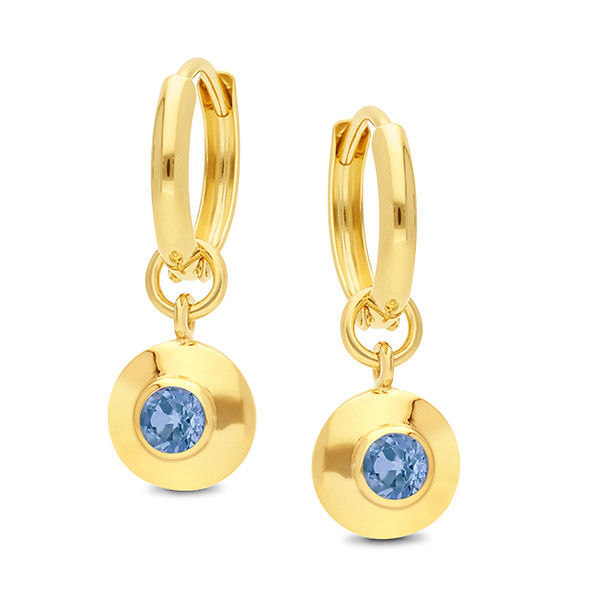
Sapphire
Blue is the default, but sapphire occurs in every colour except red — teal, pink, yellow, grey and colourless among them — and the less common colours are often cheaper than blue. At Mohs 9 it is the most practical coloured stone for jewellery worn constantly.
Wearing it: Mohs 9, with no cleavage plane to chip along. No restrictions on wear. Fifth and forty-fifth anniversary.
October
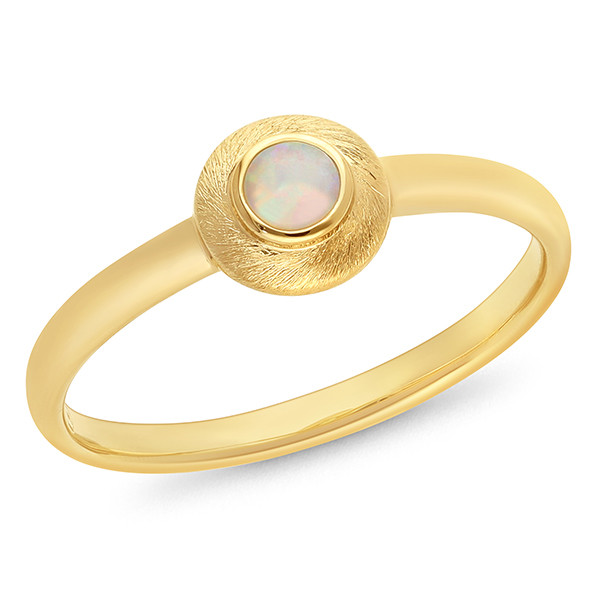
Opal, or tourmaline
Australia produces most of the world’s fine opal. No two stones are alike, so the selection is about the individual stone rather than the setting style, and pricing has to be quoted stone by stone. Tourmaline is October’s second stone and the more practical of the two.
Wearing it: Opal Mohs 5.5–6.5 and contains water: avoid ultrasonic cleaning and sudden temperature change, and do not specify it for a ring worn daily. Tourmaline 7–7.5 and suitable for one. Fourteenth anniversary.
November
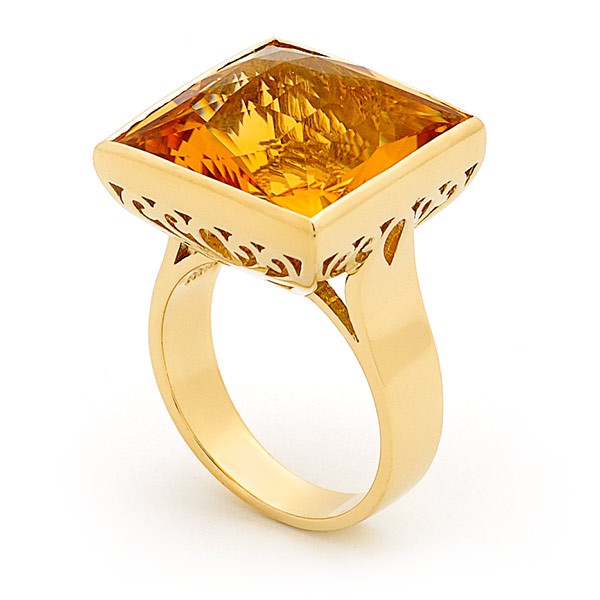
Citrine
Golden quartz, ranging from pale honey to deep madeira. Like amethyst it is affordable in large sizes, so a substantial citrine in yellow gold represents good value against most alternatives. Topaz is November’s second stone.
Wearing it: Mohs 7. Avoid prolonged sunlight. Thirteenth anniversary.

December
Blue topaz, tanzanite or turquoise
December has the widest choice of any month, and the three options differ considerably in price. Blue topaz is bright, hard and inexpensive. Tanzanite is rarer — a violet-blue from a single deposit in Tanzania, with limited remaining supply. Turquoise is the older traditional stone.
Wearing it: Topaz Mohs 8 and suitable for daily wear. Tanzanite 6–7 with a cleavage plane: a pendant, or a ring with a bezel. Fourth anniversary.
Buying as a gift
Three practical questions
Most birthstone jewellery is bought for someone else. These are the questions that come up, and none of them are about gemstones.
You do not know the ring size
Pendants and earrings do not have one. If it has to be a ring, bring in a ring she already wears on that hand and we will measure it. Resizing is free within the first twelve months in any case.
You need it by a particular date
A piece from the cabinet can be sized and ready in [X] days. A piece made around a stone you select takes [X] weeks. Tell us the date at the first conversation rather than the last.
She may not like it
Bring her in and we will change it. [CONFIRM YOUR EXCHANGE TERMS AND ANY TIME LIMIT.] In practice it is the setting that gets adjusted far more often than the stone.
Where it is made
Made at our Burnside workshop
Our jewellers, designers and gemmologists work a few metres from where the stones are kept. Nothing is sent interstate to be manufactured, and anything requiring attention later returns to the people who made it.
Select the stone first
Compare colours, cuts and sizes in daylight before any design work begins. The stone determines the piece.
Design around it
The setting is drawn to that stone’s proportions, in yellow gold, white gold or platinum.
Five-year cover
Manufacturing faults covered for five years, on pieces from our studio and from elsewhere.
Cleaning and checks
Complimentary cleaning and claw inspection for as long as you own the piece. Worth doing annually on any soft stone.
Common questions
Birthstone questions
What is the April birthstone?
Diamond, on both the modern and traditional lists. Morganite and white sapphire are commonly offered as coloured alternatives for April, but the birthstone itself is diamond — natural or lab-grown.
Why do some months have more than one birthstone?
The list has been revised several times. The modern list was standardised by the American National Retail Jewelers’ Association — now Jewelers of America — in 1912, and added to since: Jewelers of America added tanzanite to December in 2002, and the American Gem Trade Association and Jewelers of America added spinel to August in 2016. Older traditional stones remained in use alongside the newer ones. Where a month has two, either is correct — choose on colour, hardness and price.
Which birthstones are suitable for a ring worn every day?
Diamond, sapphire, ruby, spinel, topaz and aquamarine — all Mohs 7.5 and above. Garnet, amethyst and citrine are acceptable in a protective setting. Pearl, opal and tanzanite are not suitable: specify a pendant or earrings instead and the stone will last considerably longer.
Can two birthstones be combined in one piece?
Yes — a pendant with a stone for each child, or a ring with two birthstones flanking a centre stone, are both common requests. The constraint is hardness: a pearl set next to a sapphire will take the damage. We design around that.
Is a birthstone the same as an anniversary stone?
No. They are separate lists that happen to overlap. Sapphire is September’s birthstone and also the fifth and forty-fifth anniversary stone; ruby is July’s and the fortieth. For an anniversary purchase, use the anniversary list.
What does birthstone jewellery cost?
Price depends far more on the month than on the setting. Amethyst, citrine, garnet, blue topaz and peridot are inexpensive even at a generous size — pendants from around [$XXX]. Sapphire, ruby and emerald are not, and a fine example is a significant purchase. Give us a budget and we will tell you what it buys in your month.
Do you ship outside Adelaide?
[CONFIRM: insured shipping within Australia, cost and timeframe, and whether you ship internationally.]
Sources
- Mohs hardness and stone descriptions: GIA Birthstones, Gemological Institute of America.
- History of the modern birthstone list, and the 2002 and 2016 additions: National Jeweler, “Rocks On: The evolution of the birthstone list”.
- Wear and setting recommendations are our own, from pieces made and repaired in our Burnside workshop.
Tell us the month and we will show you the stones
Send the birth month and an indication of what you have in mind. We will reply with what is currently in stock, what can be sourced, and the cost of each one set.
Burnside showroom
46 High Street
Burnside SA 5066